Game Reviews: Dave the Diver, Ghost of Yōtei, Pragmata and Lara Croft Go
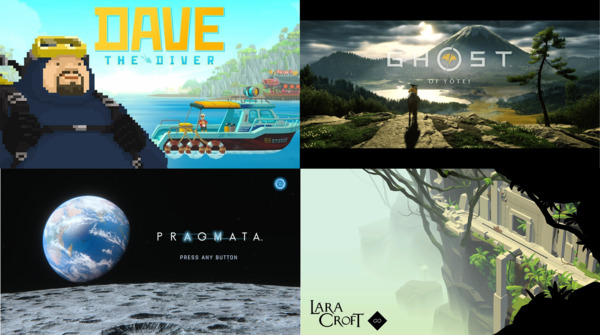
Over the summer, I’ve been playing quite a mix of console games. On my PlayStation 4, I’ve been playing shorter titles such as Dave the Diver and Lara Croft Go. Meanwhile, on my PlayStation 5, I’ve enjoyed major releases such as the sword fighting adventure Ghost of Yōtei and the science fiction action game Pragmata. It was a good mix of games, both long and short, with mixes of action and strategy.
Dave the Diver
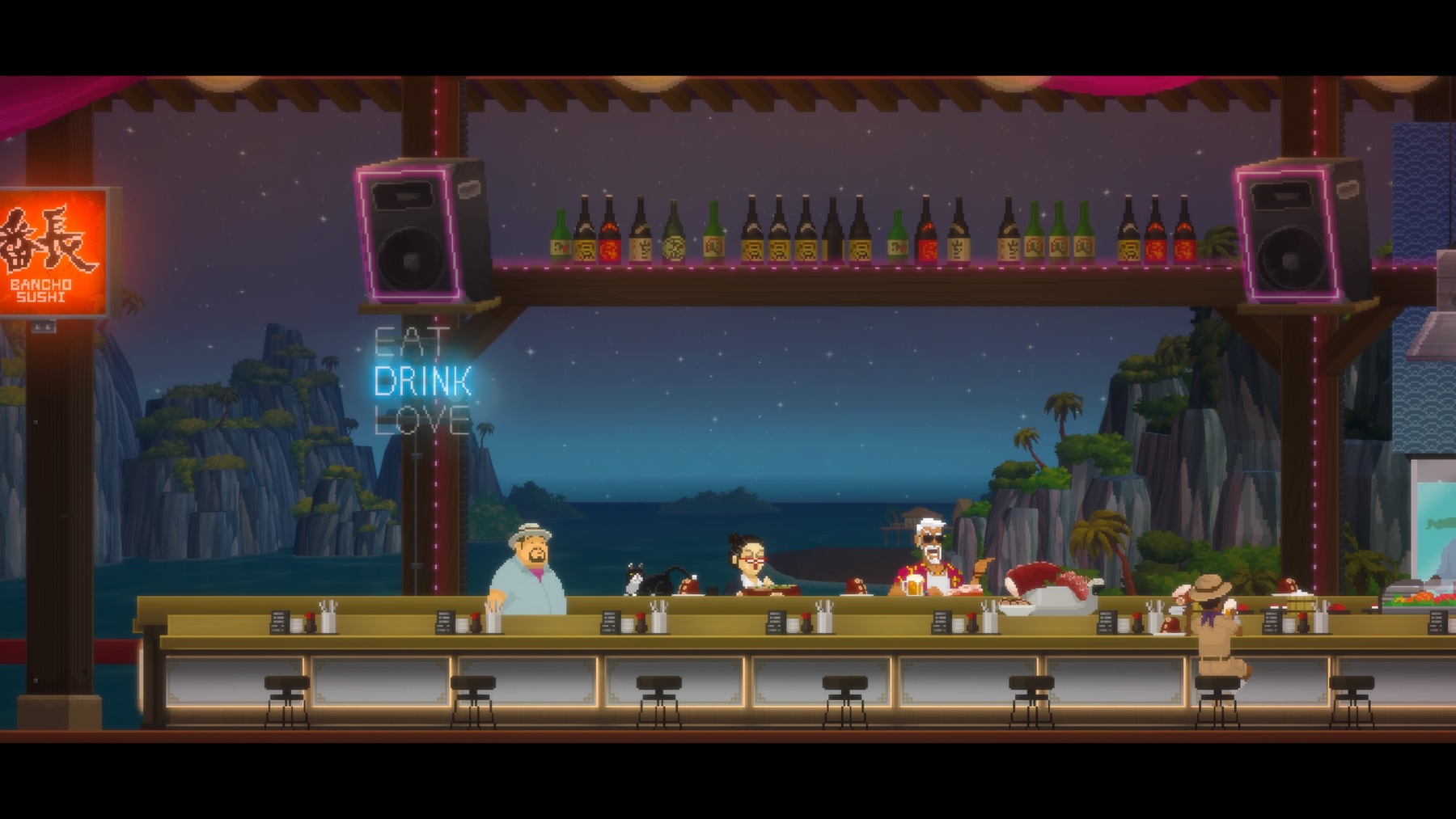
Dave the Diver is a retro pixel-art adventure where you dive through a procedurally generated Windows 95 aquarium screensaver, and harpoon fish to serve in a blooming sushi restaurant. It’s a silly game, but it’s also a lot of fun with a ridiculous story and delightful characters.
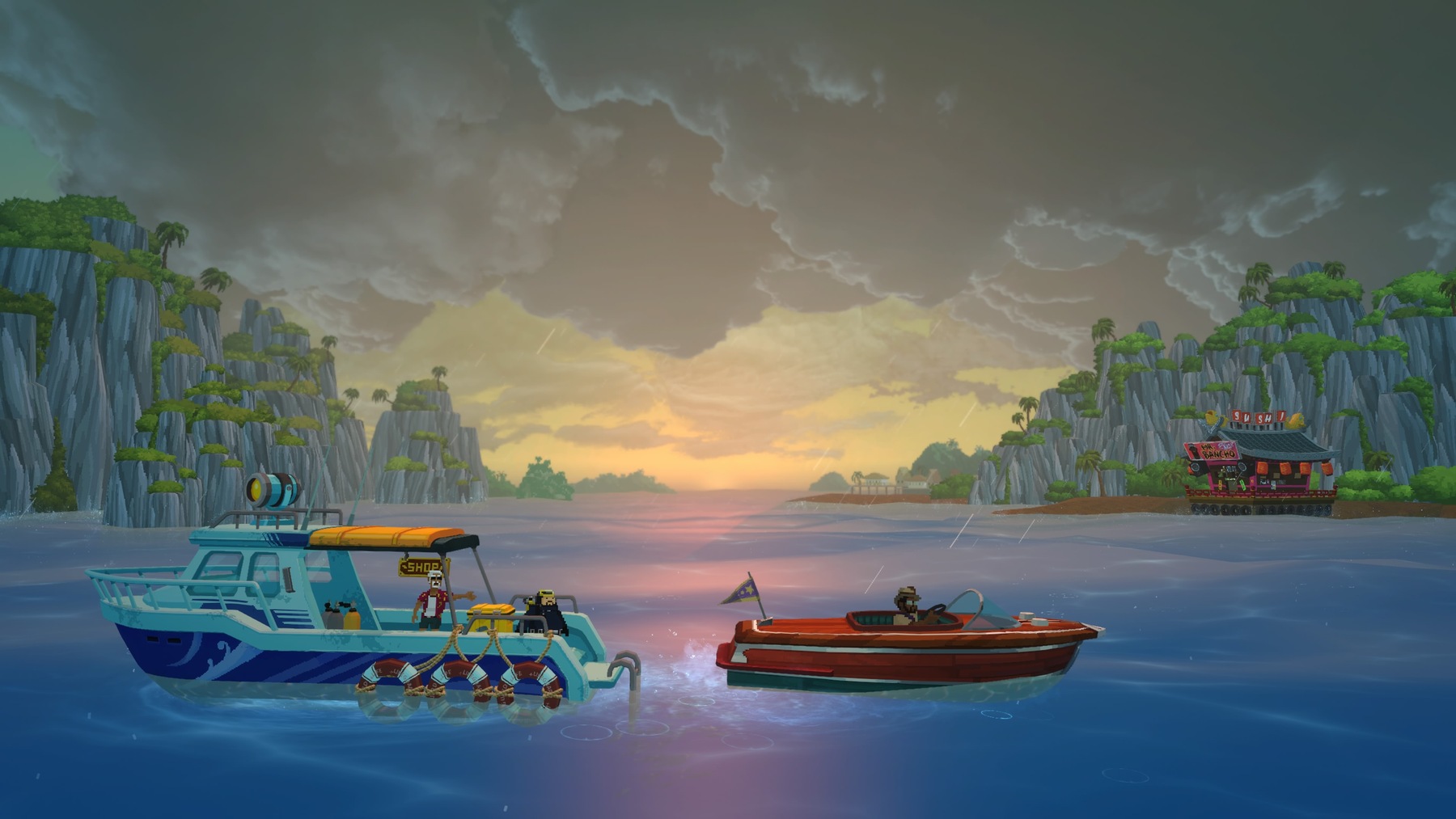
The game follows a simple day-cycle journey. You can fish twice a day (and later, once in the evening) before working in a sushi restaurant at night. The underwater world doesn’t just hold fish, but ingredients in underground pots as well as aggressive fish and sharks. Along the way you meet a crazy researcher obsessed with lost sea civilizations, an anime obsessed neckbeard weeb who enjoys making firearms and several other over-the-top side characters and quests.
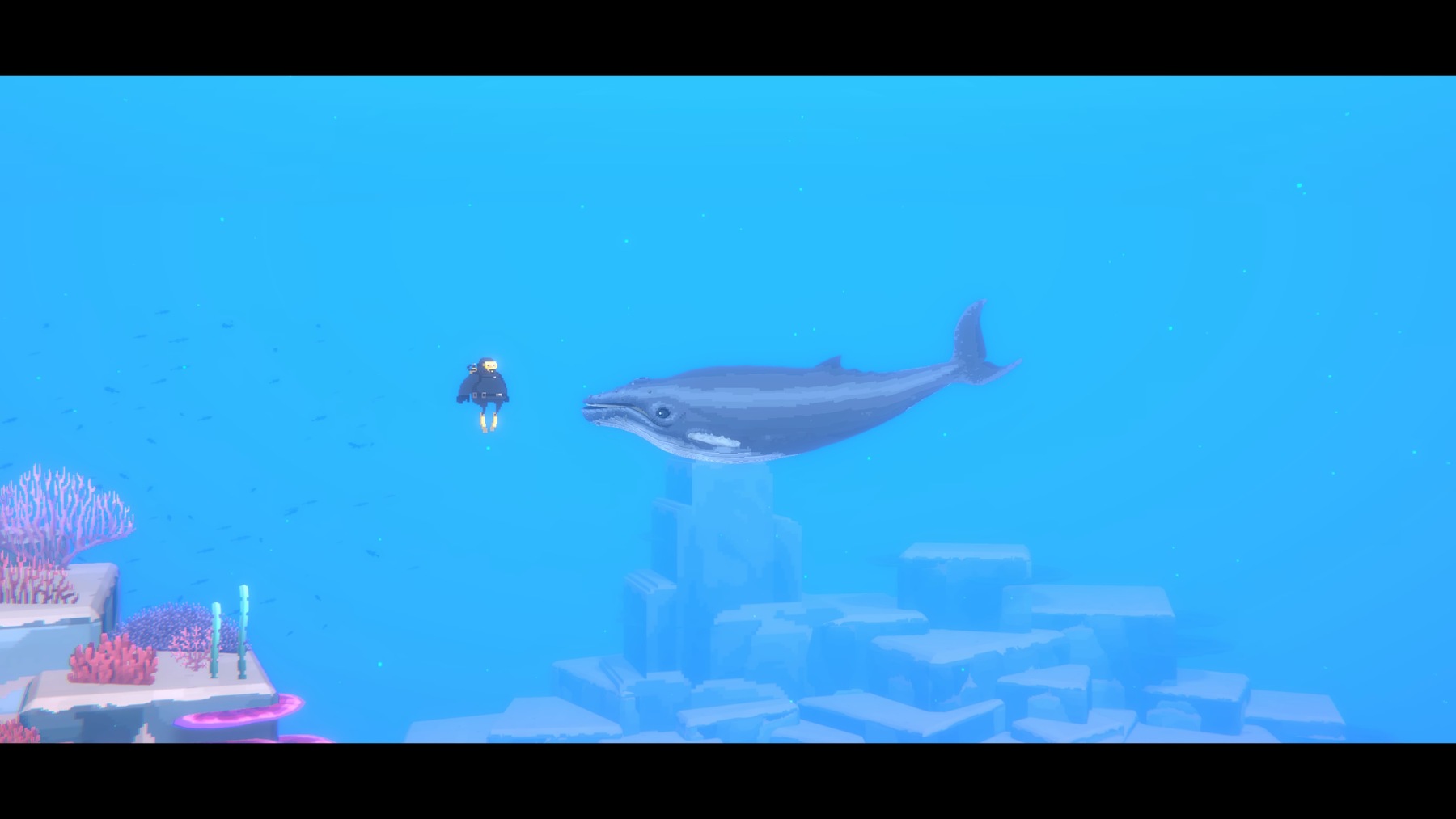
The game is not overly challenging. There are plenty of checkpoints during major story events. It’s fun while not being overly frustrating. This is a game that’s intended to be a casual adventure with some fun bosses and combat. The game has plenty of new creatures and events to unlock throughout the game, which really keep it from feeling repetitive.
Dave the Diver feels like an independent game, but while I was playing it, I heard from a friend it was made by a larger studio. The game licenses a lot of assets and story from a particularly popular Japanese kaiju franchise, which seems to indicate a larger funding model. Still, who cares if the game comes from a larger studio so long as it’s fun and well-designed?
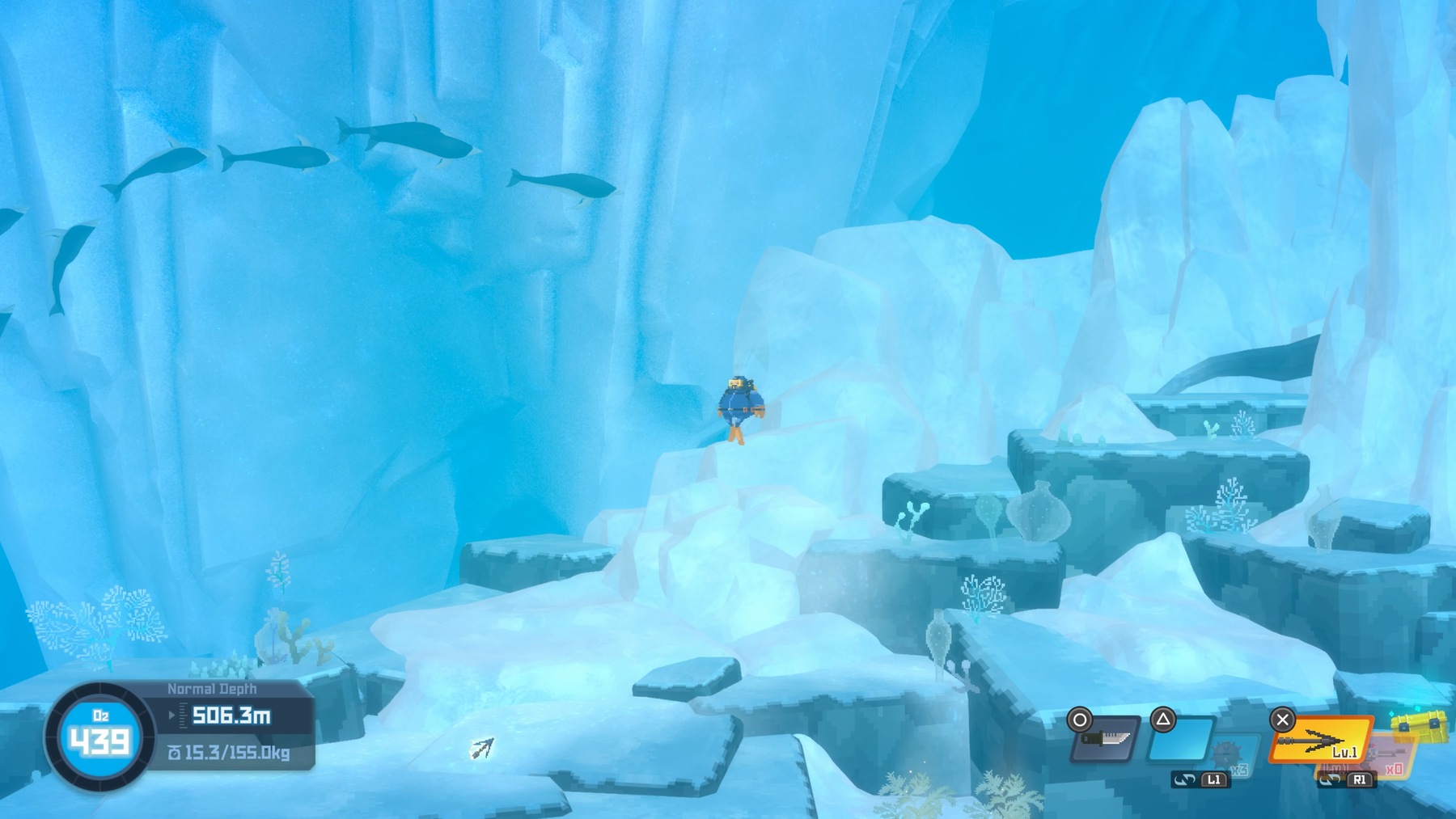
I really enjoyed Dave the Diver. It reminds me a lot of the mobile game Ridiculous Fishing, as far as the silliness around the story and gameplay. It feels like a casual title with a lot of humor. My only real disappointment is the lack of real character growth. I thought it would be really neat if Dave, throughout the course of the 7 chapters, lost all his weight and became less obese. Alas, Dave stays fat till the end. It’s a total-missed opportunity in an otherwise fun deep-sea fishing adventure.
Ghost of Yōtei
Build upon the classic Ghost of Tsushima, Ghost of Yōtei takes place over 300 years after the events of its predecessor. While it builds upon the elements of the previous title, it’s an entirely separate game with an independent story starting a female protagonist. It’s a game I wasn’t so sure about when I first started playing it. There were some initial story building elements I felt established too strong of a character that would prevent any real growth. However, as the game progressed, I felt the writers did an excellent job of handling questions of revenge, family, meaning and purpose. The action had smooth yet complicated controls and the gameplay never stopped being challenging. It’s a great adventure that honors the traditional style of a samurai story mixed with spaghetti western elements.
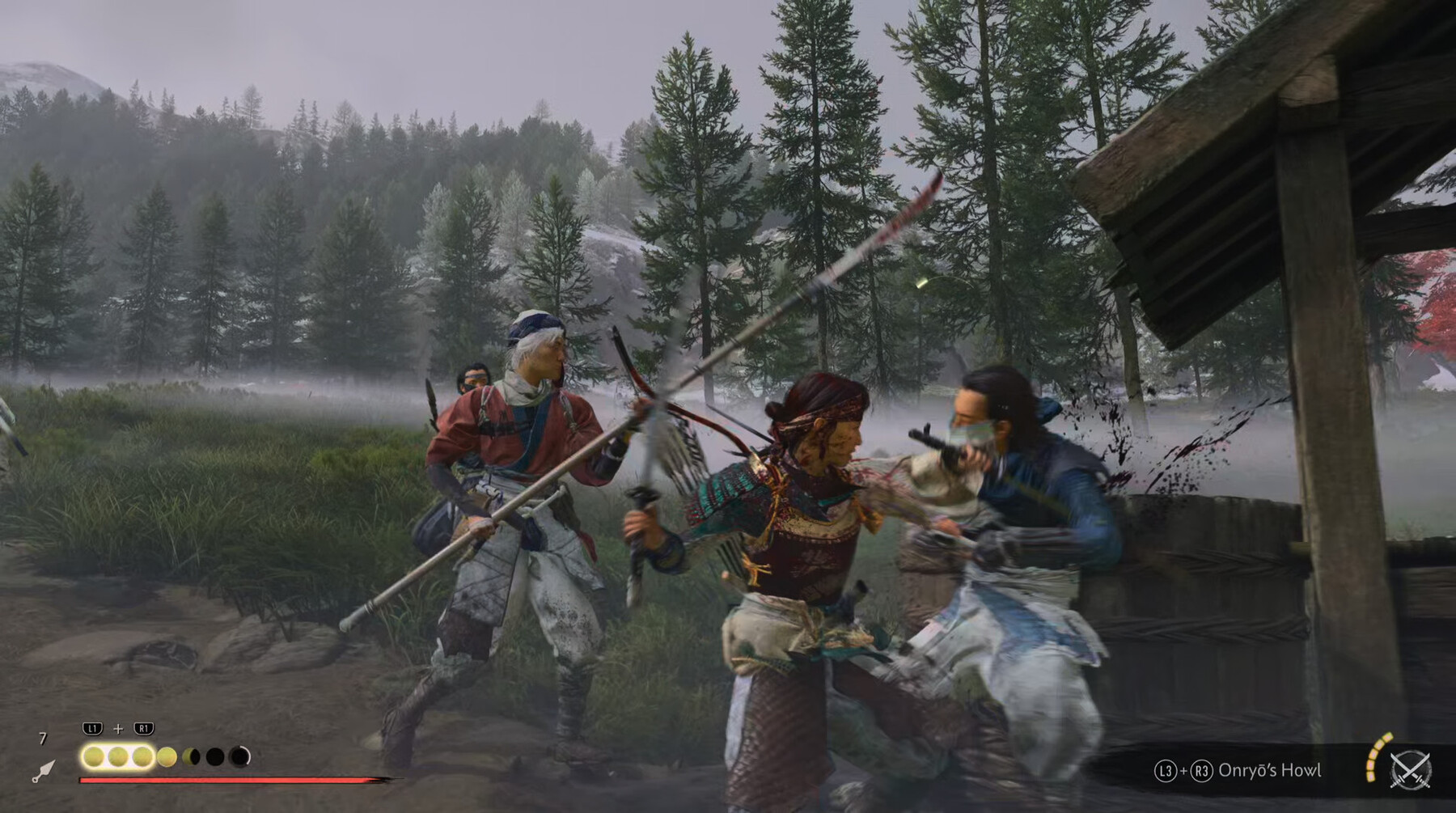
The gameplay elements are very similar to Ghost of Tushima. The combat is focused on switching between multiple weapons, rather than using multiple stances for different enemy types. There are several new weapons added in from the more technologically advanced time period, such as guns and mortars, introduced later in the game. Ghost of Yōtei has a serious issue with weapon bloat. There are a lot of weapons, both melee and ranged, increasing the complexity of the controls and selection. It may have helped to remove items like the single katana after gaining the dual blades. It may have just been my perception, but the overall fighting style and weapon switching didn’t feel quite as smooth in Ghost of Yōtei. Still, the sword fighting is still some of the best, although it is also quite challenging. The incorporation of throwable blades with devastating damage is a welcome addition as well, although the disarming mechanic can get quite annoying.
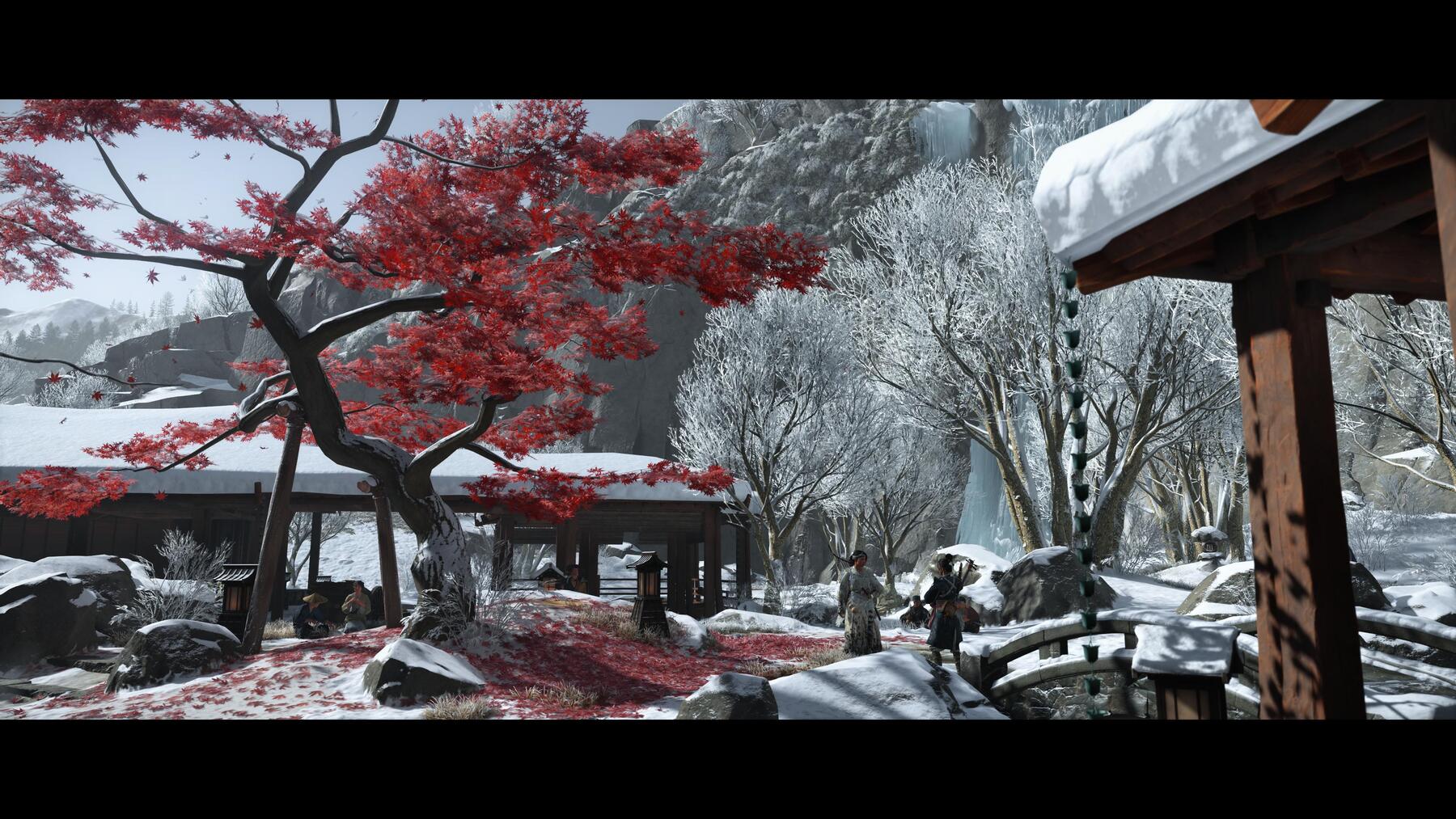
The open world feels both wide and vast as well as very dense. Traveling to any new mission often has several possible breakaways to all kinds of side quests, hot springs, shrines and other upgrade opportunities. It’s a world that’s easy to get sidetracked in at first. I tried to build up a lot of skills early on, hoping to make the late game easier. I’m not sure if enemies are programmed to always match your level or if I never quite mastered the combat. The enemies remained quite challenging all the way through to the end, despite a lot of initial leveling.
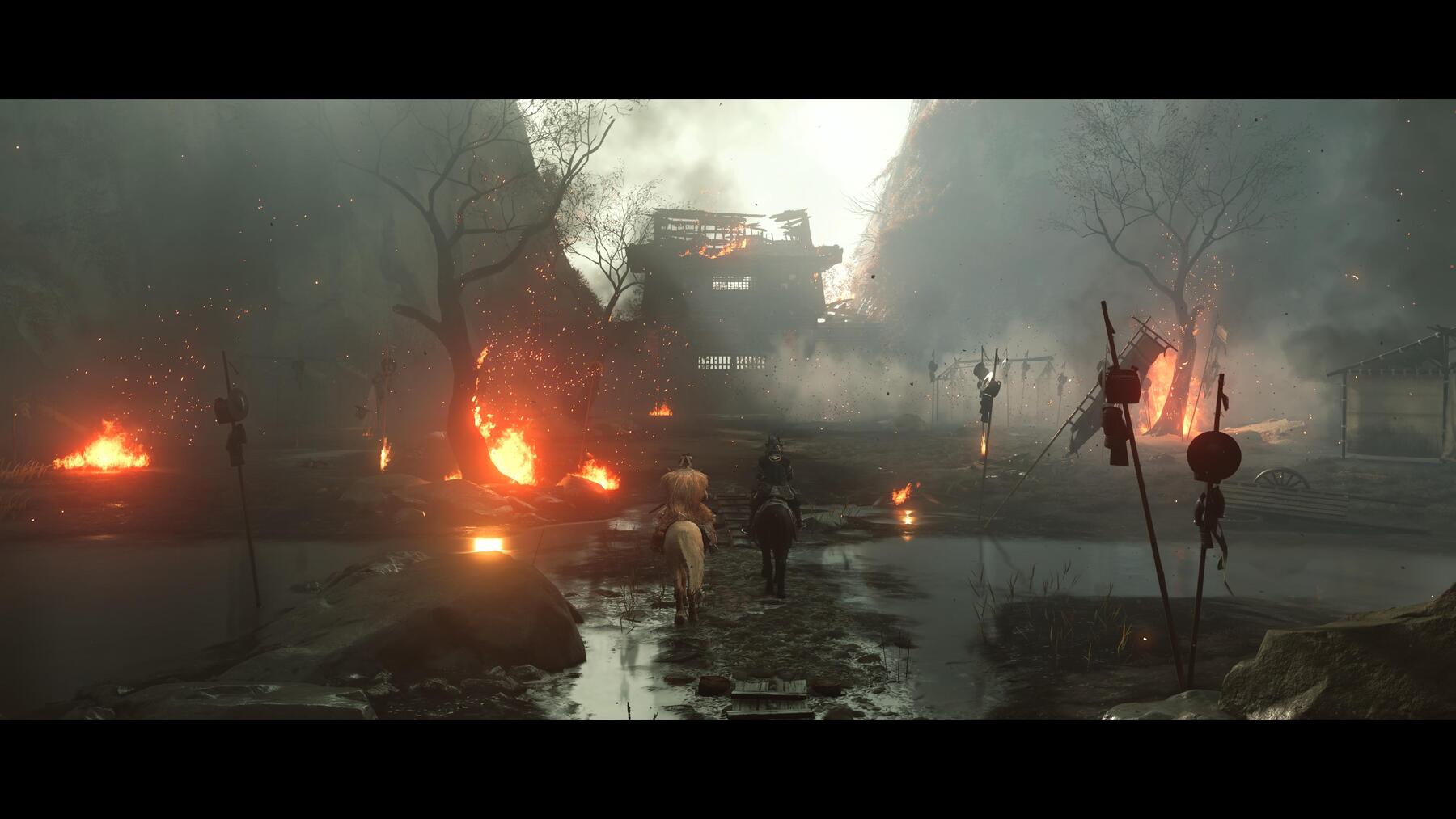
The scale of the in-game map isn’t great, with seemingly short distances being a considerable journey. I’m thankful the fast travel often felt instant, even though bringing up the map seemed to lag significantly. The game has a lot of traversals. The world itself is stunning and beautiful, filled with changing scenery, beautiful vistas, varying climates (from grass field to snowy mountains) and a surreal amount of detail. Climbing ten minutes to reach a shrine does provide with some amazing scenery artwork, but it does begin to wear on the player after a while. A large amount of it feels like unnecessary filler, padding out the game length.
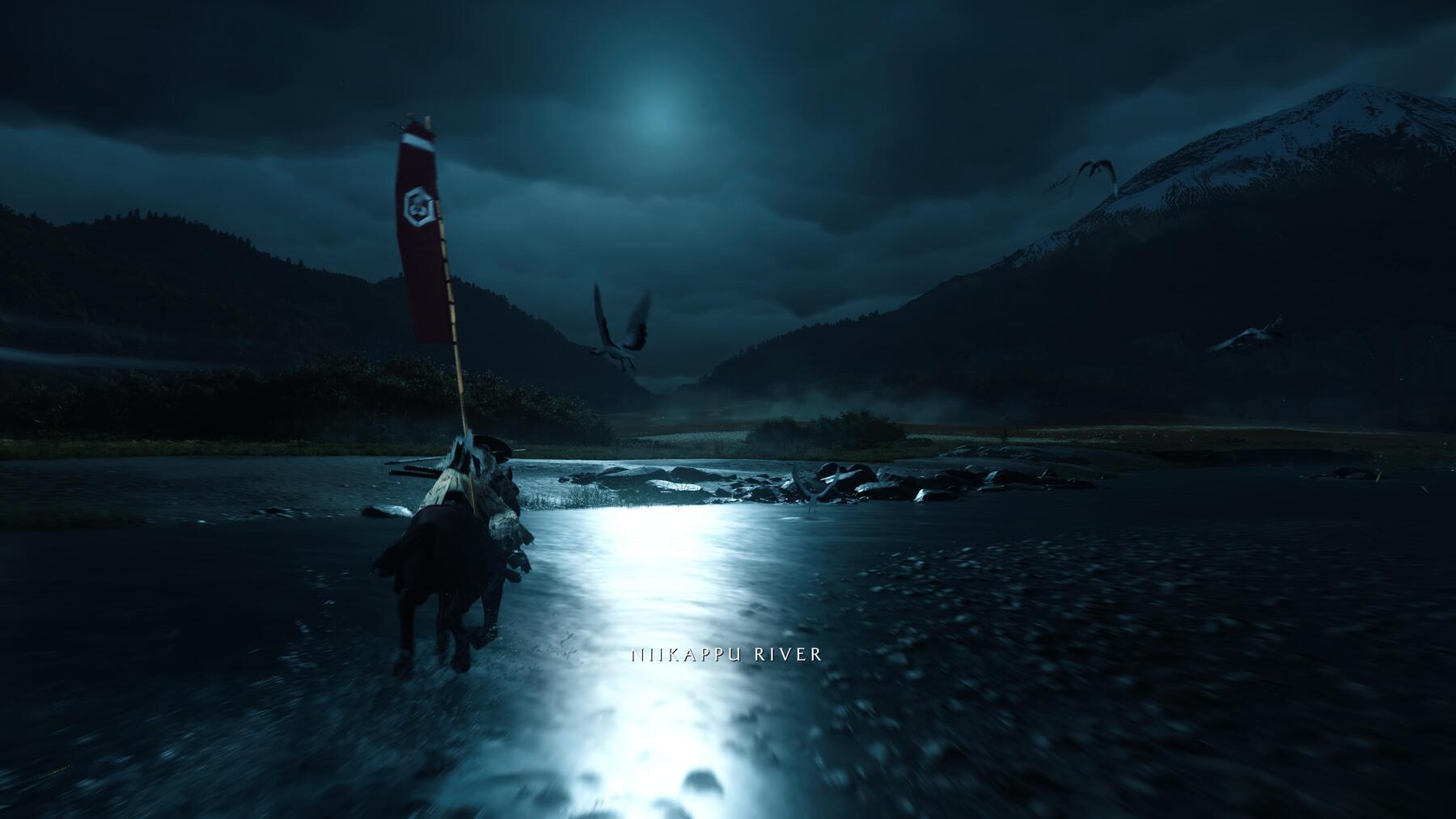
As with any game with a female protagonist made today, there is always the risk of a Mary Sue character. When you first take control of the main character Atsu, her very first task is committing an act of revenge on the first of six characters responsible for the death of her family. Bystanders immediately refer to her as a “Ghost,” and I was weary the game was front-loading her character. However, the progress of her backstory does a good job of explaining how she gained her skill. There is still a significant growth arc. Other mentors introduce her to new weapons, the same way the previous game introduced new stances. Some of the action may seem over-the-top, but this is a video game after all. The female warrior protagonist single-handedly taking down entire garrisons isn’t much different compared to her male predecessor when it comes to suspension of disbelief.
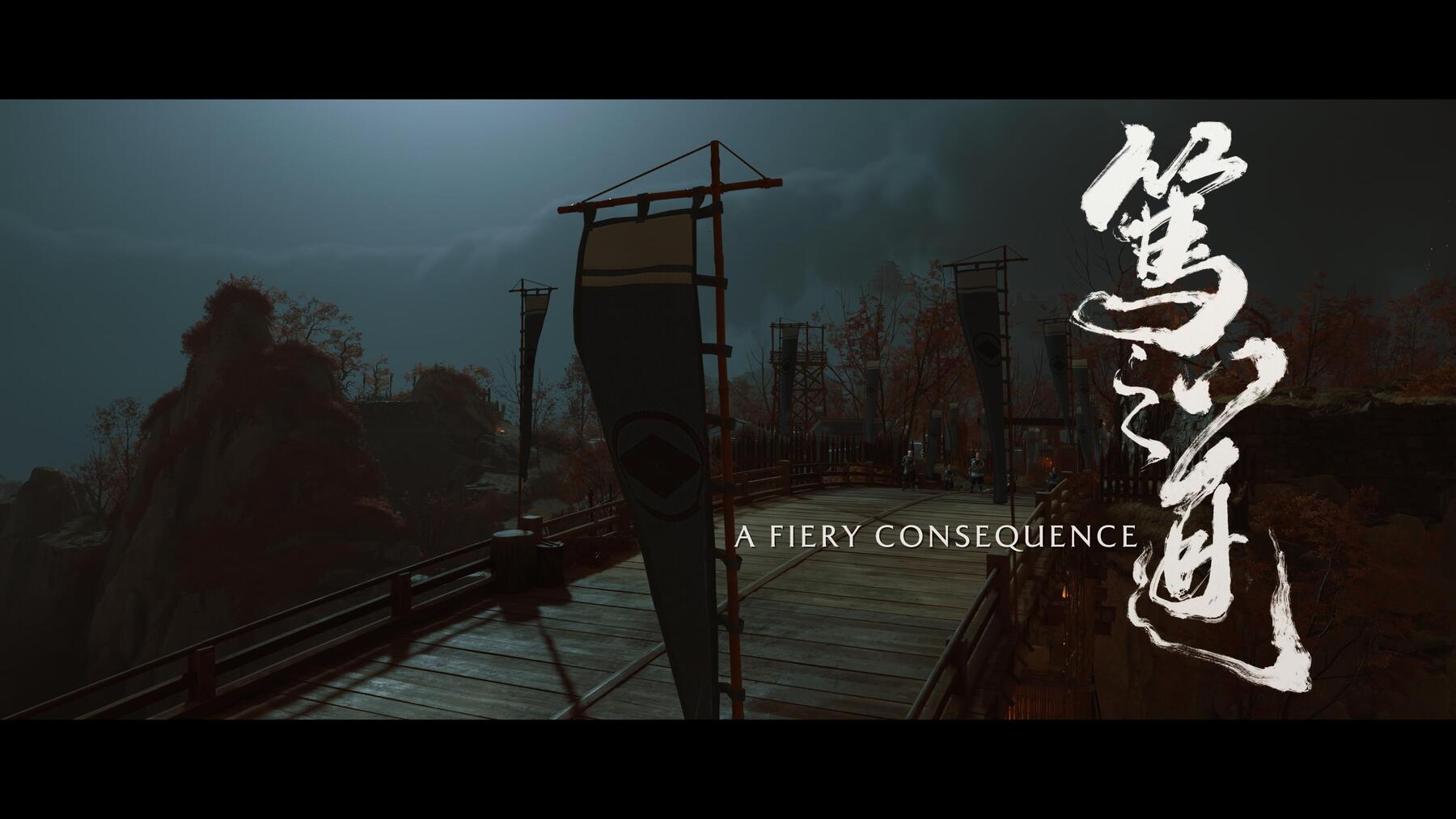
The game includes bases that can be liberated; a samurai version of a Far Cry game mechanic. There are some initial moral questions with the roles of Clan Matsumae, being sent by the Shogun to handle Clan Saito. However, despite some minor apprehension, most of the conflict does fit into easy categories of good versus evil. The depth of the story comes from Atsu dealing with questions of revenge versus purpose. Her inner story, and the people she comes to care for, challenge her own black-and-white notions of who is an enemy and if achieving her goals will truly bring her peace. It’s a story that’s incredibly well told, with well-earned emotional gut punches that really comes together in a way that’s both bittersweet and satisfying.
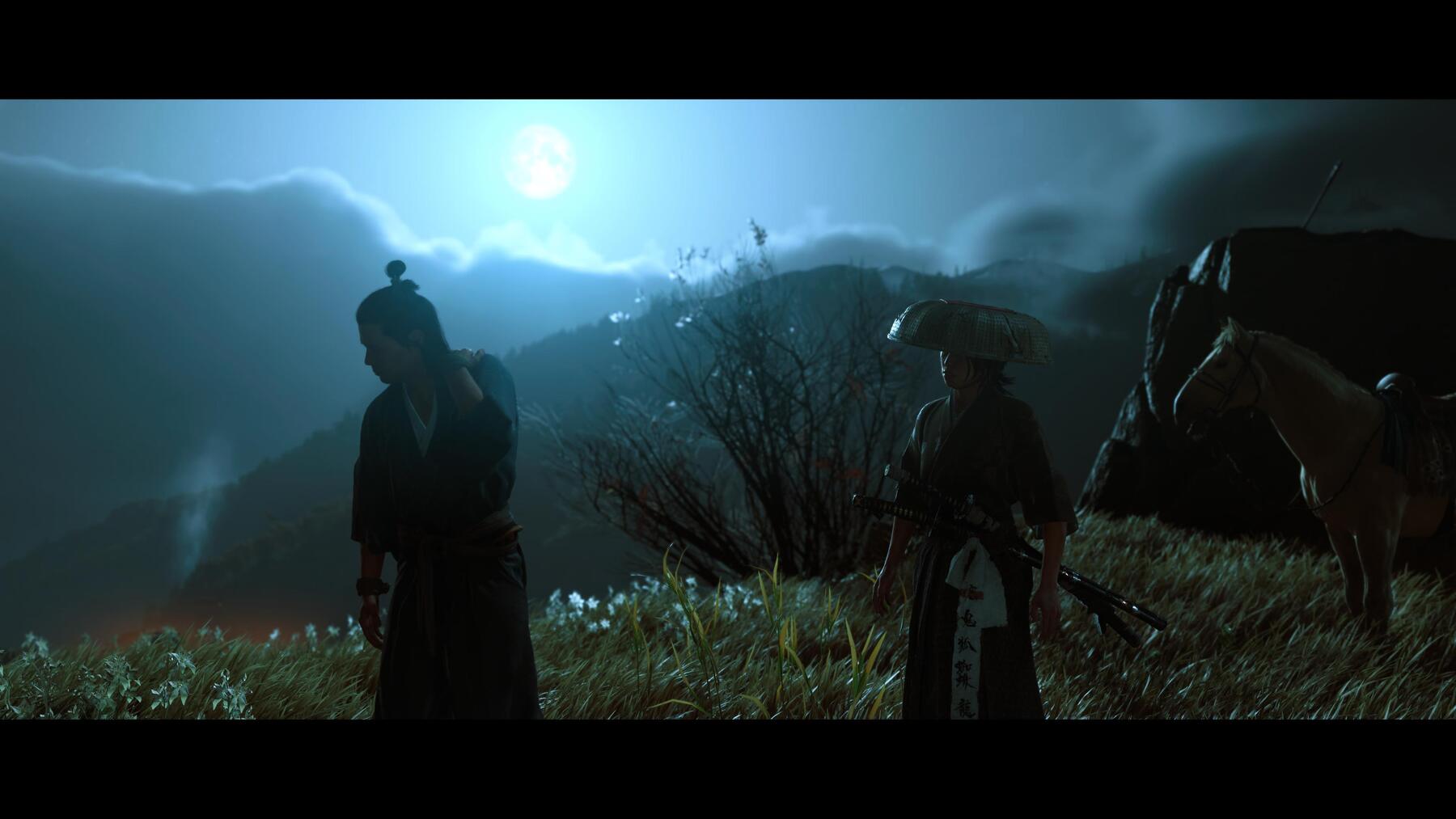
Overall, I was surprised to discover I really did enjoy Ghost of Yōtei. I’m not sure if I’m as fond of the combat compared to the previous game, but the story is far more complex and interesting. The world is incredibly detailed with amazing artwork and color design. The PlayStation controller’s haptics are very detailed and added a lot of depth to the game. I even found myself enjoying things I originally found silly, such as starting fires or using the gyroscope in the controller to roast fish, as they integrated well into parts of the story and dialogue.
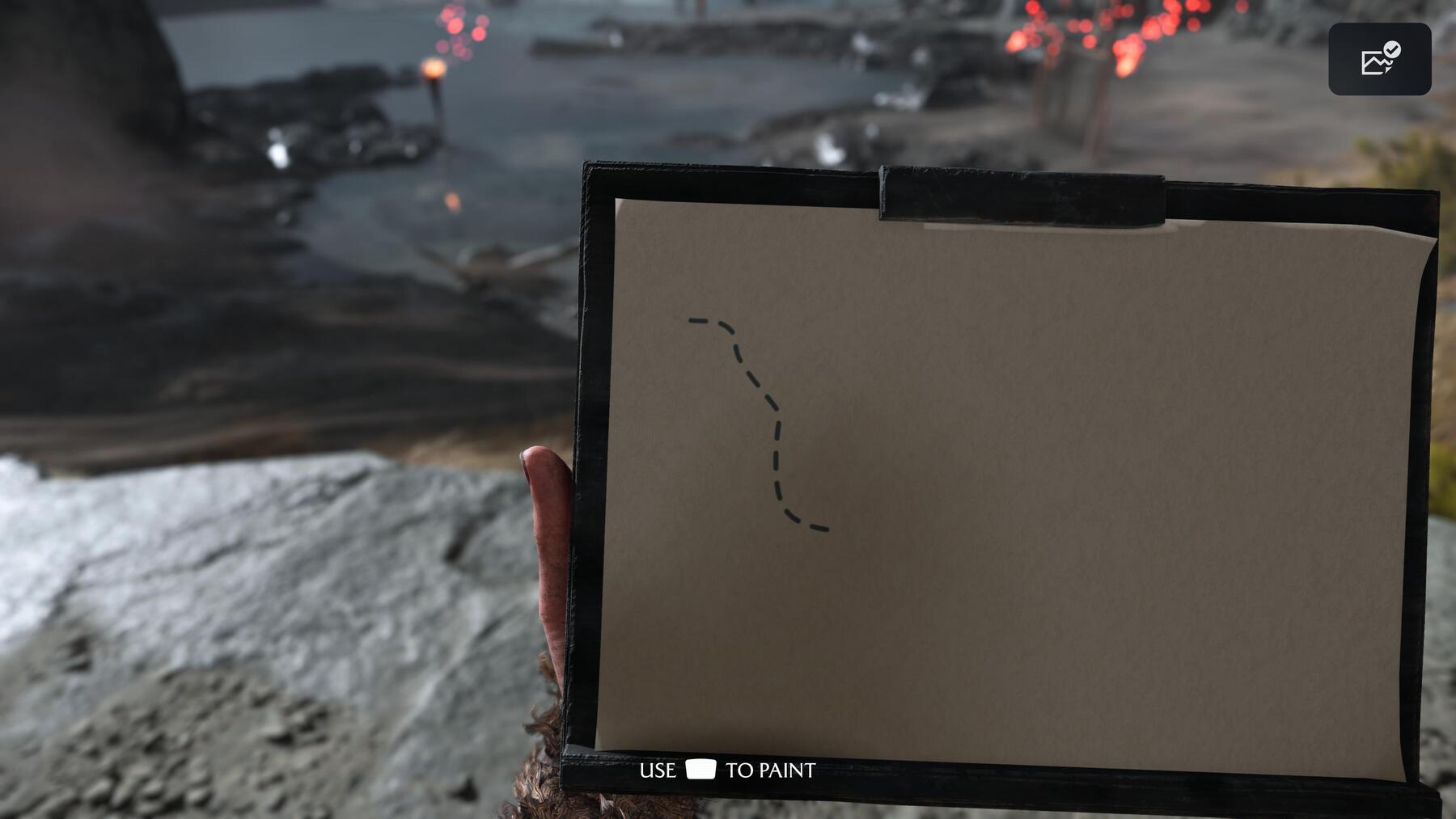
It took me 46 hours, over the course of 32 days, to complete Ghost of Yōtei. It certainly isn’t a short title, but it’s not an excessively long one either. It’s a rich world, filled with intense combat, gorgeous colors, challenging enemies and a heartfelt story. This game surpasses its predecessor in story but falls slightly in gameplay, resulting in the same overall score for both titles.
Pragmata
I didn’t want to jump straight into another action game, but Pragmata hooked me in. It seemed like a pretty traditional science fiction game where Hugh, the protagonist, is separated from his crew by a space station system that seems to have malfunctioned. Your character is unable to defeat the robot security without the help of an artificial intelligence in the form of a child, a “Pragmata.” The ensuing journey follows the cadence of a traditional action game, but with the creative addition of hacking required to attack murder robots. It turned out to be a game that was the perfect length, combined with an oddly heartwarming story and a lot of creative elements that set it apart despite a fairly basic premise.
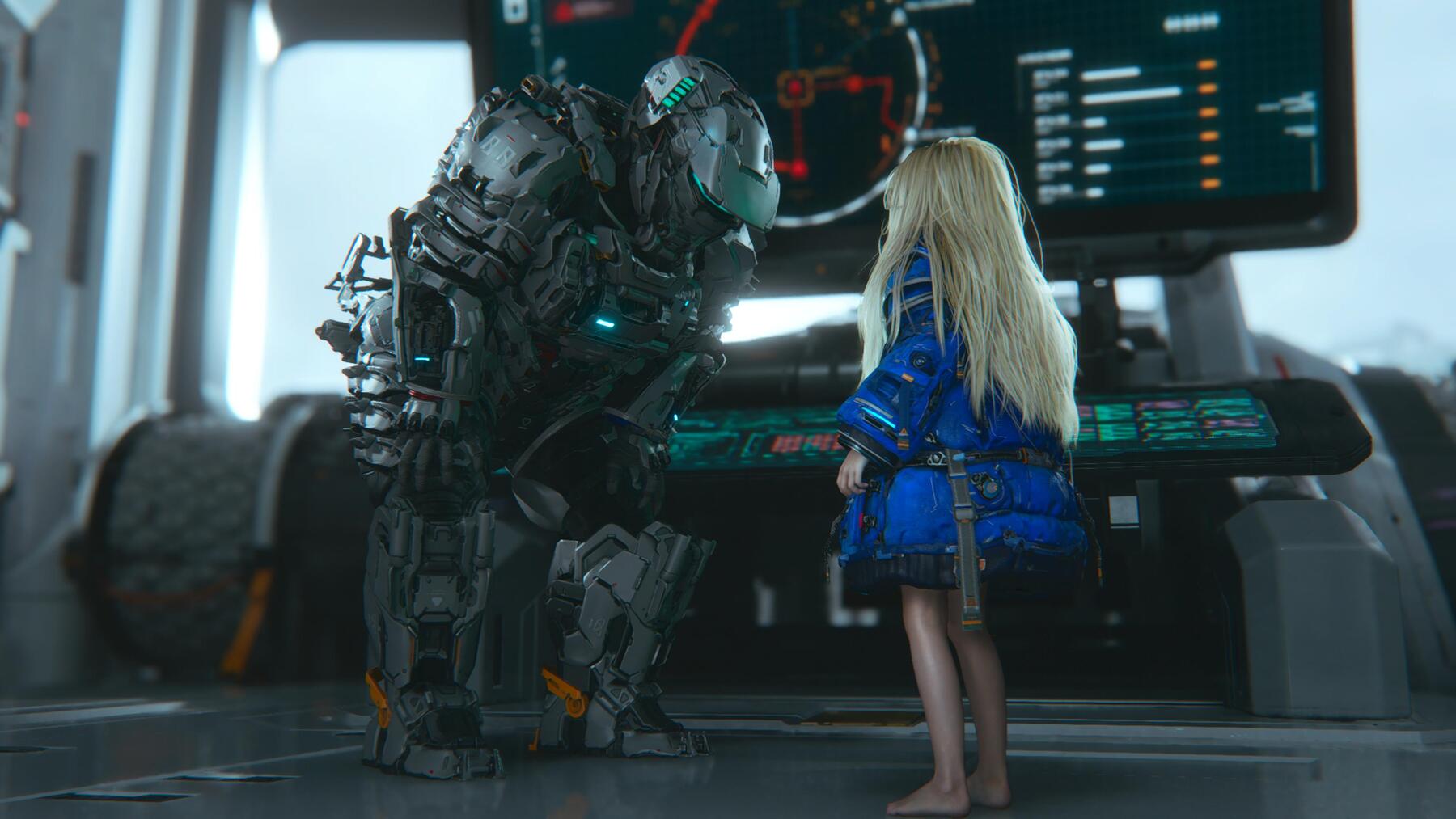
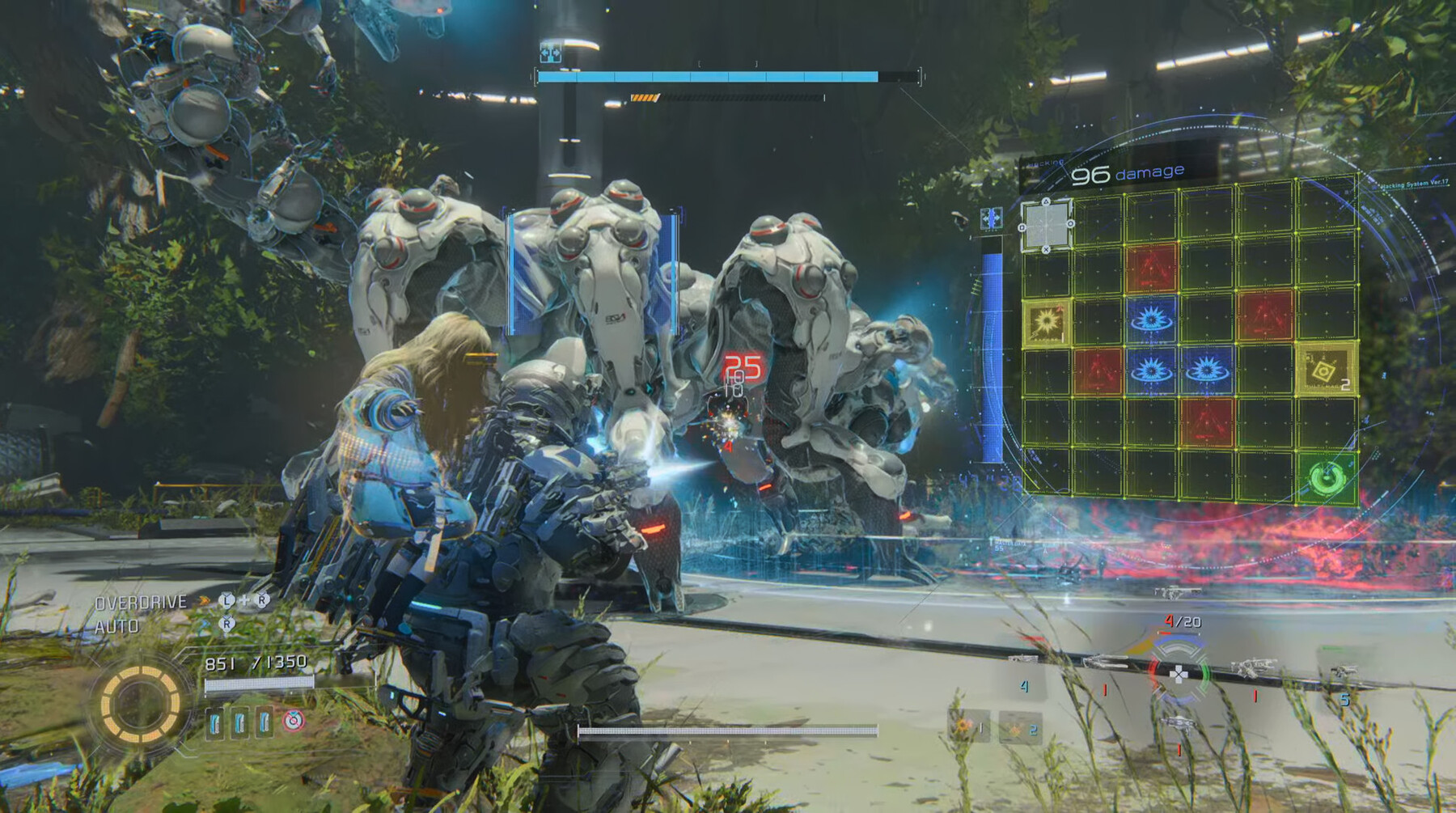
Your companion, D-I-0336-7 (a.k.a. Diana), is a synthetic being with the ability to compromise dangerous robots so your character can defeat them with traditional weapons. Most of the robots are fairly slow, which works with the story of them being standard maintenance and helper bots compromised to turn against the station crew. Attacks involve using controller buttons to hack and open up robots while also using the analog stick and triggers to evade and shoot them. It’s a creative dance, requiring a lot of context switching by the player. Diana’s dialog helps to alert the player when to evade and jump, although the player is controlling both Hugh’s weaponry and Diana’s hacking abilities.
A tram system moves the player around various linear stages. Saving the game can only be done at tram access points, which are scattered around each level. Defeat returns you to the safe area of “The Cradle.” Items that are one-time discoveries are clearly marked on the tram map, while items like “Lunafilament,” an upgrade material, are continually replenished. This allows a degree of upgrading, even after defeats, so the player can keep attempting a stage without having to grind previous areas.
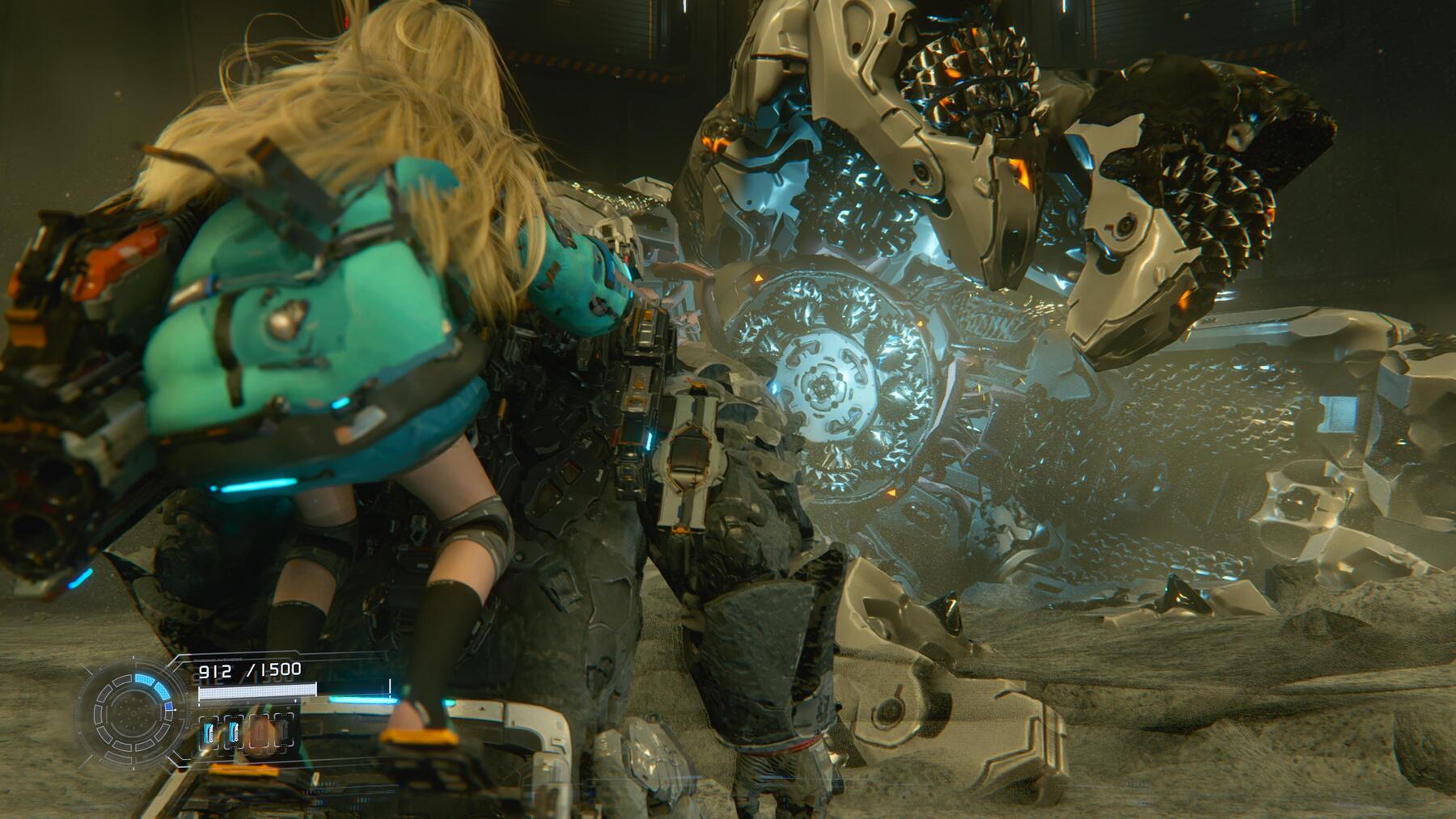
Diana’s character provides unique story and gameplay elements. She acts like a child, but she’s effectively a weapon. Hugh literally cannot survive without her abilities. She’s super intelligent, yet the game has a lot of narrative that focuses on Hugh teaching her about Earth, family and his own upbringing. Their relationship adds a very odd and light asthenic to a very dark world. It reminds me of the dynamics between lieutenant Hunter and Rusty in the TV series Big Guy and Rusty the Boy Robot. At times this dynamic seems silly, and there are a lot of clear video game elements present in the dialog. Still, I feel like the writers hit the perfect balance of silly and dystopian; action and heartwarming.
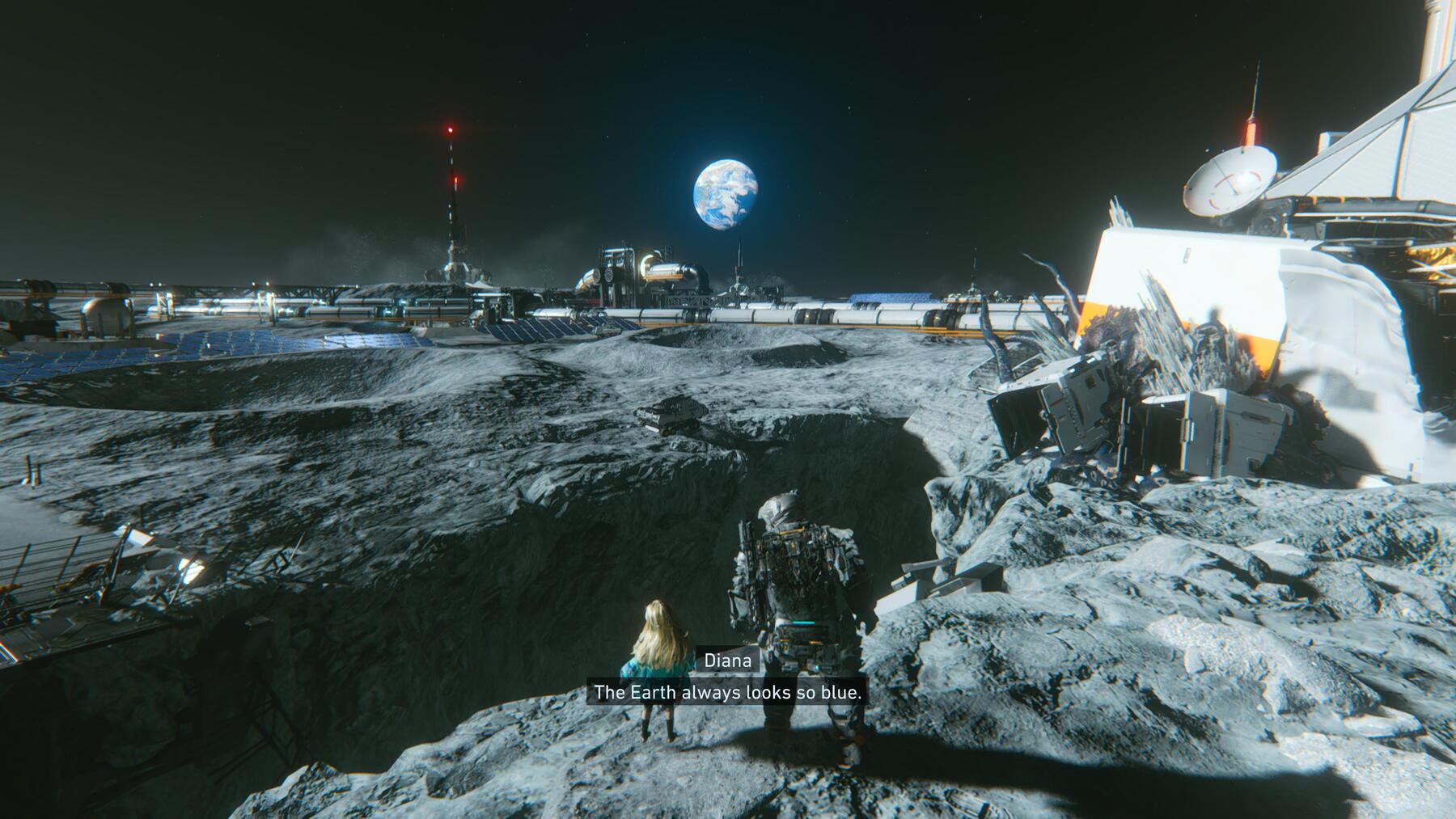
It’s difficult to hear some of the dialog, especially during combat sequences. I suspect that’s why the game defaults to suggesting the subtitles on during the initial setup. There are no passive checkpoints, only explicit transits back to the safe zone (save points). These tram points provide a consistent means to regroup and upgrade. It can be frustrating to have to replay areas, but there were only two or three specific battles I got a little stuck on, which required half a dozen replays to pass. I do feel like Pragmata struggled a bit with the mix of game elements versus serious story. Still, the overall game felt balanced and progression was usually fun and rarely overly frustrating.
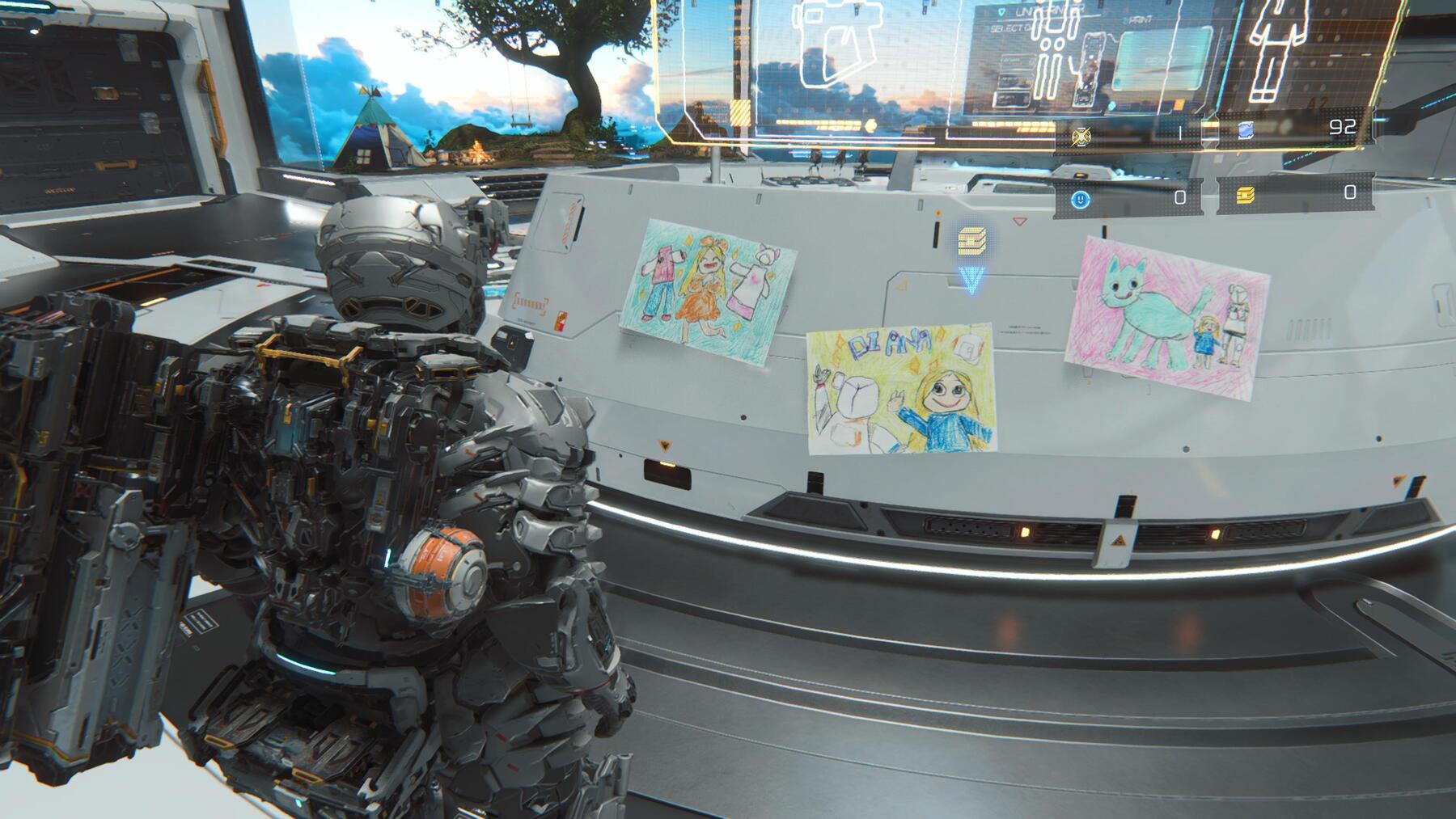
It took me 14 hours, over the course of 8 days, to finish Pragmata. I really enjoyed the game length. There is a ton of extra content to play through, including training sims and returning to previous areas to unlock bonuses, for those looking for more gameplay. The game also includes a “New Game+” and additional content options once the adventure is complete. I think the base story is the perfect size and wish more game designers would embrace such compact formats. Pragmata is a lot of fun. It’s challenging and doesn’t feel like it requires excessive grinding to finish. The story is predictable but still heartwarming. It’s a game with some really creative mechanics and a traditional science fiction story that will pull at your heartstrings, with a truly memorable ending.
Lara Croft Go
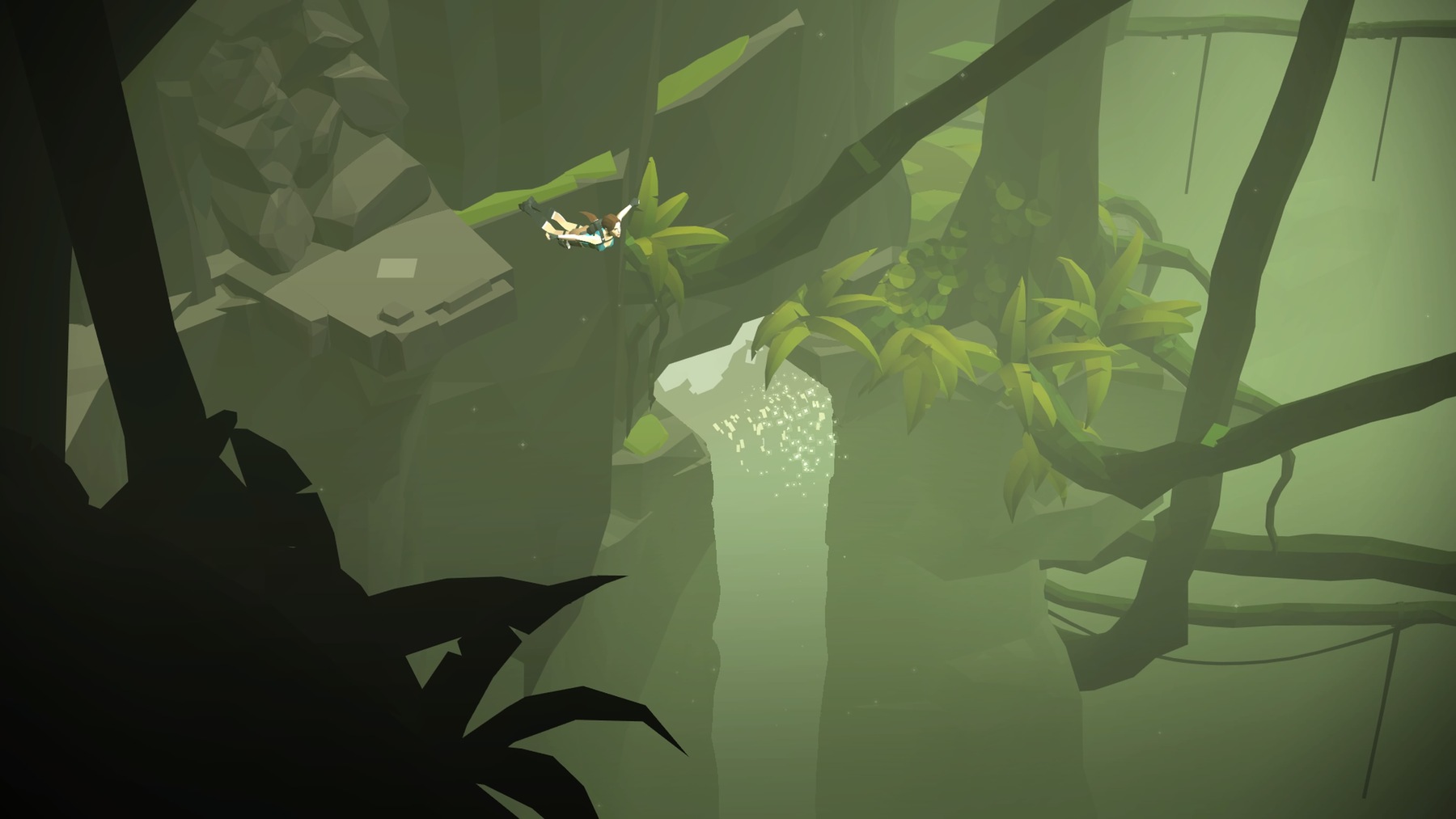
Last year I played Hitman Go, a puzzle game based on the characters and stories of the Hitman series of games. Lara Croft Go is a similar game, mixing the action and treasure hunting elements of her character and series into a turn-based puzzle adventure. It’s a really fun and creative way to turn an action and platform-based puzzle game into a virtual boardgame while maintaining a lot of the look and feel that’s true to the original Tomb Raider series.
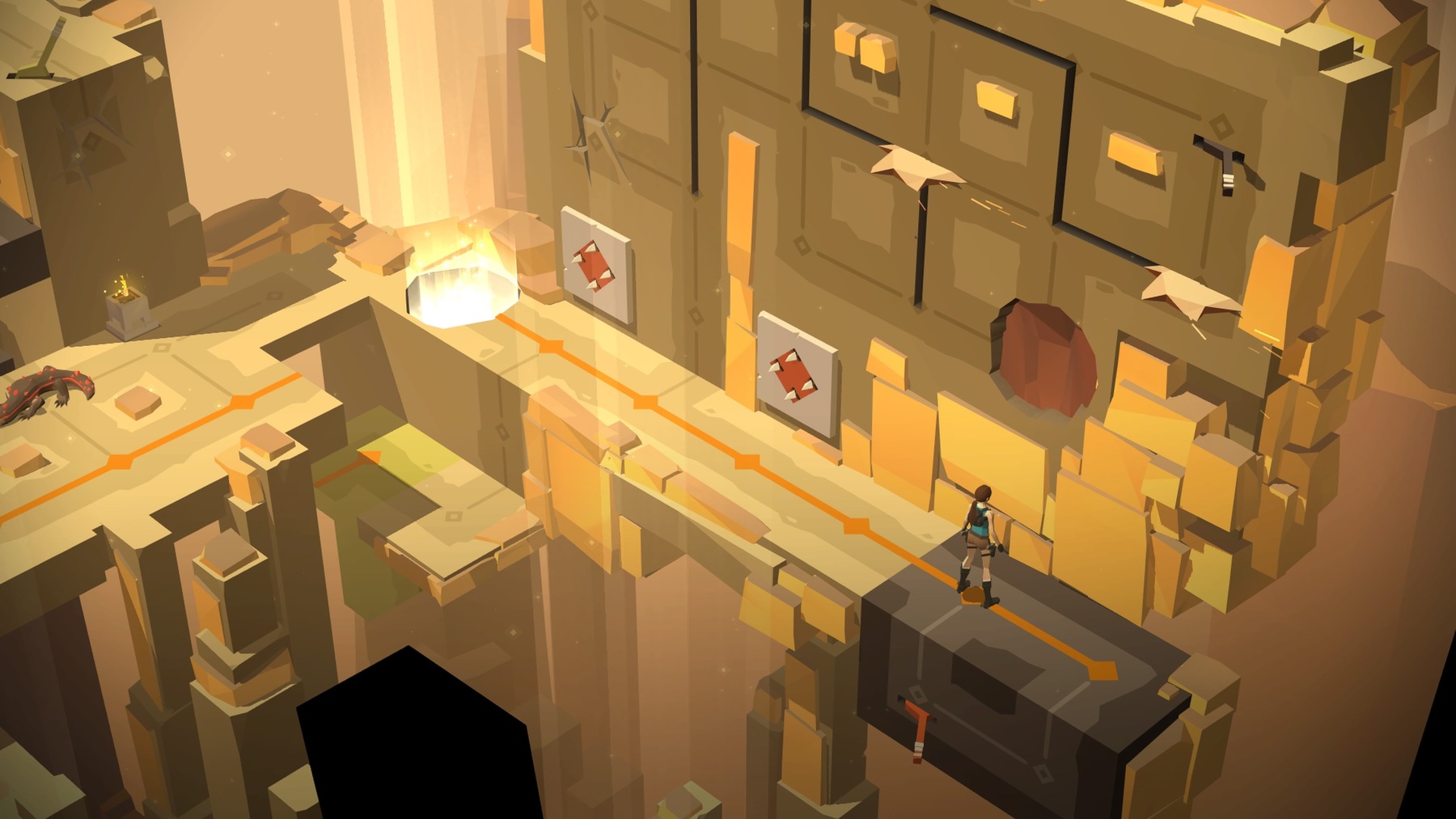
Unlike Hitman Go, the animation and level designs in Laura Croft Go try to emulate a feeling of action and movement, even though the game is still a relatively static turn-based puzzler. Creatures move fluidly as you move tiles. However, there are no action or time-based elements. Each puzzle is solved by individual step-by-step movements in each level, moving columns, pulling levers, killing enemies and stepping on panels to get Laura to the end of each stage.
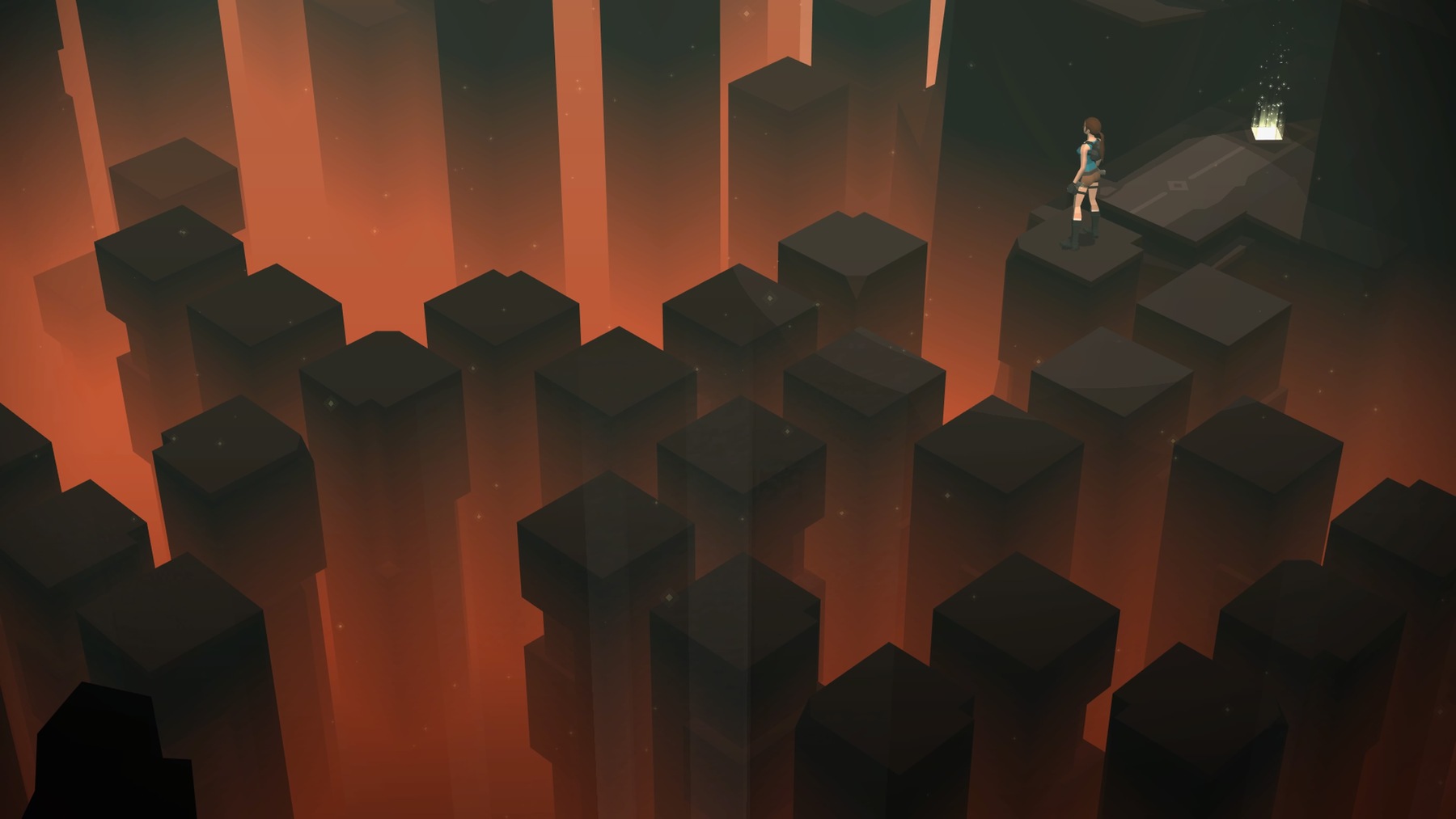
I like the fact that there are no additional objectives (such as completing a stage with a minimal amount of turns) on each level. There are several hidden vases, which the player can highlight with a control stick, in order to unlock items like additional outfits for Laura. The music and animation for these secrets do feel a little out of place, interrupting the flow of the game. Still, I prefer this type of side quest to level-based side objectives like in Hitman Go.
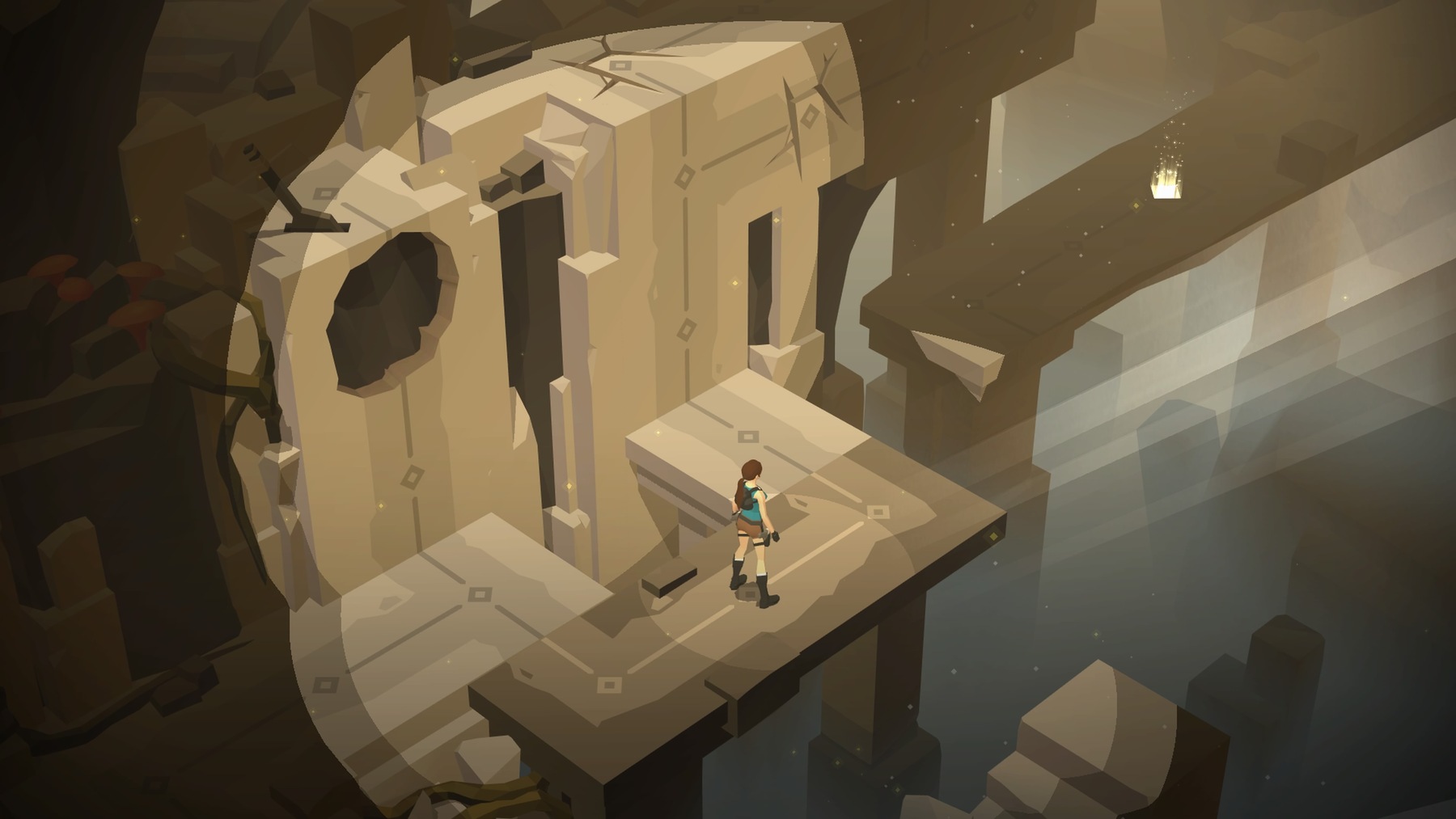
I really enjoyed all the details of this game. The large enemy that chases Laura through certain levels, the turn-based mechanisms that must be used to defeat it, and the way Laura does her trademark backflip occasionally when traversing to the top of a platform all help to make this game feel like it fits in the Tomb Raider franchise.
I did hate how only the analog stick could be used to control Laura, with the d-pad controls left unimplemented. The slight imprecision of the stick occasionally moved my character to a spot I did not want to go, adding frustration that could have been avoided.
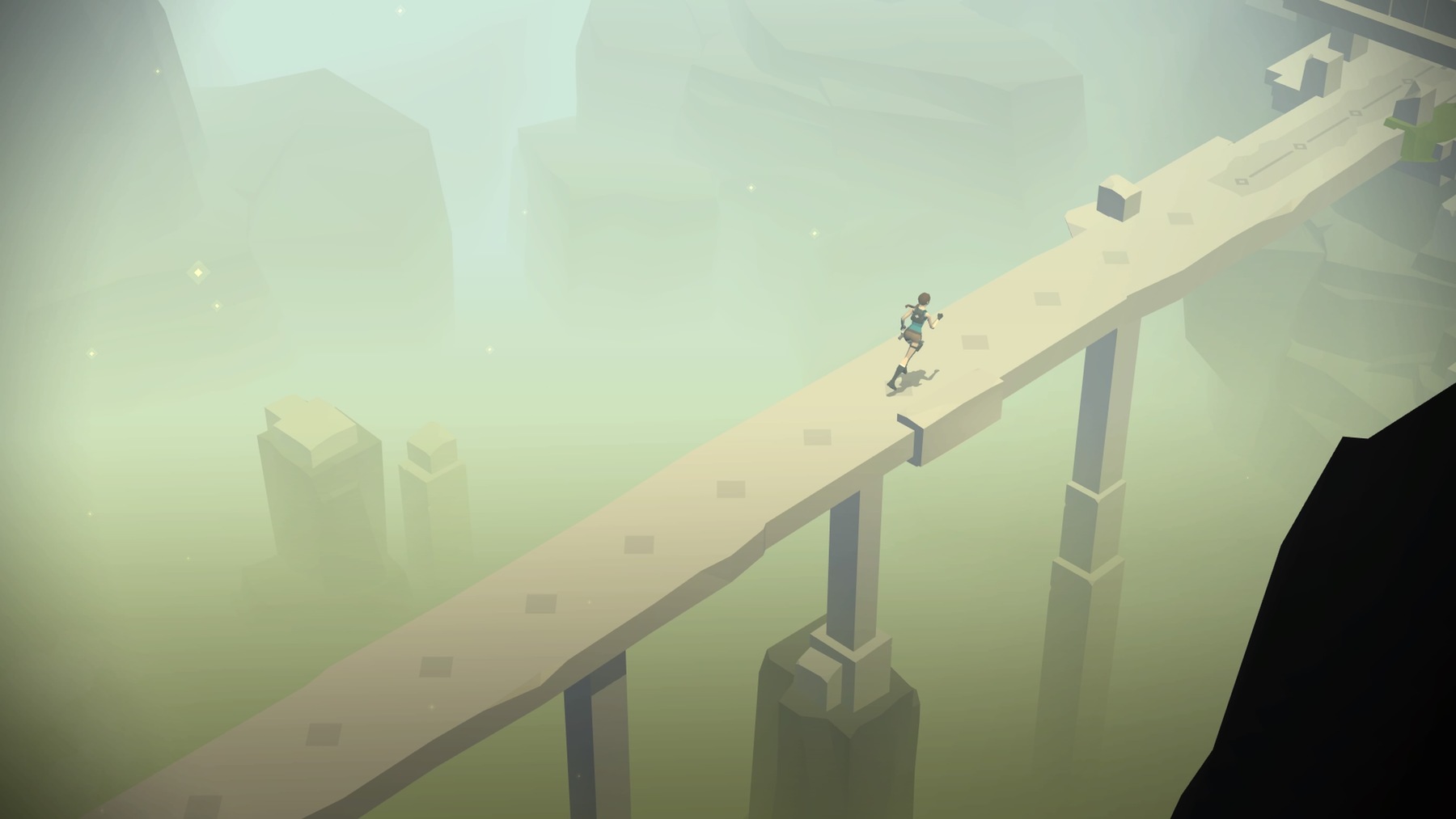
Overall I enjoyed this game. Every level felt like it had the right amount of challenge and difficulty. I was able to beat the base game without using a single hint. The artwork, puzzles, music and overall esthetic of the game really fit well together, making this a great relaxing puzzler.